Revenue Leakage Detection: Find Hidden Losses Across CRM, ERP, Billing, and Projects

No time to lose? Summarize with AI
ChatGPT
Claude

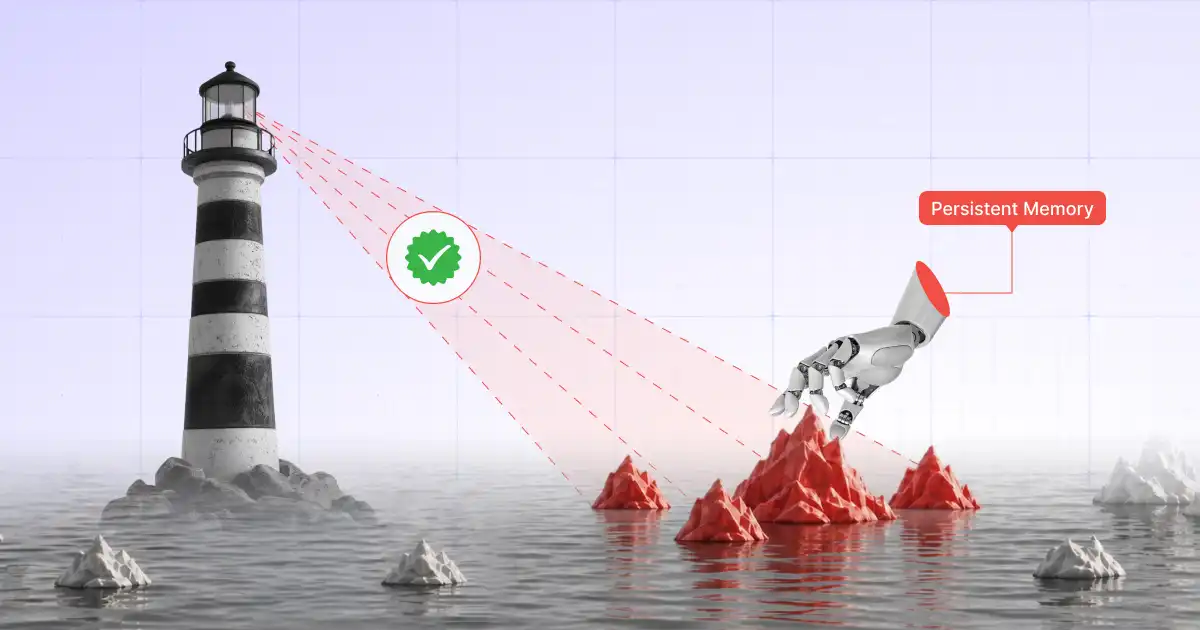
In the world of Revenue Operations and Finance, revenue leakage is often the silent killer of growth. It isn't just about lost deals; it is "earned but not collected" income or money missed due to fundamental process gaps. To protect your bottom line, you need a strategy that spans across your CRM, ERP, billing, and project tracking systems.
What Revenue Leakage Looks Like
At its simplest, revenue leakage is the difference between what your company expects to make and what it actually collects.
The Leakage Equation: Revenue Leakage = Expected Revenue - Collected Revenue
These leaks typically hide in the messy handoffs of the customer lifecycle:
Pricing and discount governance: Unauthorized or non-standard discounts that erode margins.
Metering and billing issues: Usage that goes untracked or unbilled.
Renewal motion gaps: Missing contract escalators or delays in the onboarding process.
Unbilled work: Invoicing drift or untracked billable time in professional services.
Pipeline execution leaks: Top-of-funnel and mid-funnel behavioral leaks, such as single-threaded accounts, ghosted deals, and slipped close dates.
Why Revenue Intelligence Is The Fastest Way To Detect Leaks
Revenue leakage is often mistaken for a sales operations gap. In reality, it is a core finance management challenge because it directly impacts cash flow, working capital, forecasting accuracy, and margin integrity. Without a structured finance management framework, organizations struggle to connect expected revenue with collected cash across systems.
Traditional manual reconciliation relies on spreadsheet workflows and incompatible invoicing systems that naturally create blind spots. While ERP systems are excellent for running transactions, they often fail to surface risks or behavioral signals early enough to prevent a leak.
Beyond disconnected systems, revenue leakage is often driven by disconnected teams. Sales, RevOps, and Finance frequently operate with different definitions of pipeline health, revenue risk, and forecasting confidence. This creates a cycle of messy alignment meetings, manual data validation exercises, and reactive fire drills when numbers do not reconcile. Over time, incompatible workflows and fragmented ownership make it harder to establish accountability for revenue outcomes.
A unified operating cadence helps break this pattern. By aligning teams around a single source of truth and shared governance checkpoints, organizations can move from reactive reconciliation to proactive revenue management. Instead of debating whose numbers are correct, teams gain clarity on where risks are emerging and how to address them collectively.
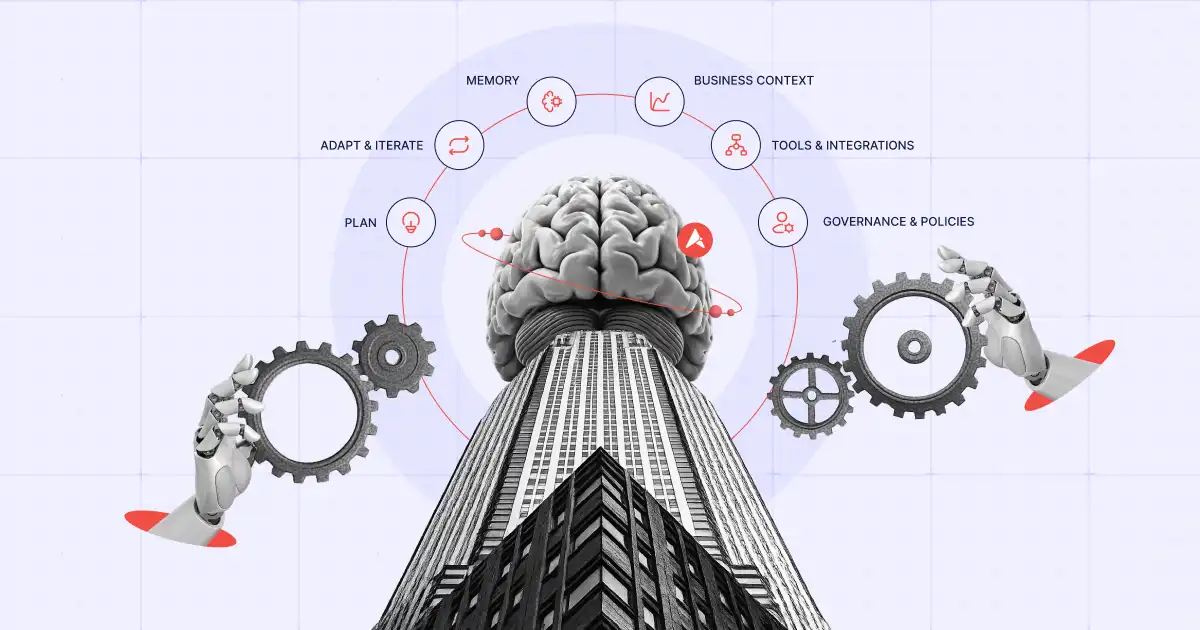
Revenue intelligence strengthens modern finance management by pulling signals directly from the CRM and customer interactions. This provides deep visibility into deal progress, seller activity, and pipeline analytics, allowing you to catch inconsistencies before they become permanent losses. Instead of reacting to revenue shortfalls after they hit the books, finance teams gain proactive visibility into deal behavior, billing risks, and renewal slippage.
The LEAK Framework: A Detection System You Can Implement
To systematically plug these gaps, RevOps and Finance teams can follow the LEAK framework:
L = Locate leak zones: Identify where the friction is occurring, whether in Quote-to-Cash, Order-to-Cash, Renewals, or Projects.
E = Enforce data standards: Set strict requirements for fields, approvals, and discount guardrails.
A = Alert on anomalies: Use automated triggers for pricing overrides, missing usage, stalled invoices, or renewal slippage.
K = Know impact: Measure the specific leakage percentage and its effect on your working capital.
Common Leak Zones And Detection Signals
Leak Zone | Signal | Where it shows up | Action |
|---|---|---|---|
Quote-to-Cash | Non-standard discounts, approvals missing | CRM/CPQ approval fields, exception logs | Require finance approval + log exception + enforce discount guardrails |
Billing/Usage | Usage not billed, meter vs invoice mismatch | Usage/metering system vs invoice lines | Auto-flag variance + create task for billing ops + block renewal until resolved |
Renewals | Renewal date slip, missed the uplift/escalators | CRM renewal objects, contract terms, renewal playbooks | Escalate at-risk accounts + enforce renewal SLA + apply term validation checklist |
Order-to-Cash | Stalled invoices, aging spikes, write-offs | AR aging, collections status, cash application | Route to collections workflow + dispute reason codes + weekly O2C review |
Projects/Services | Unbilled change orders, write-offs, and missing time | Project tracking, timesheets, and invoices | Require signed change order + enforce time capture + weekly unbilled review |
Pipeline Execution (Top/Mid-Funnel) | Single-threaded accounts, ghosted deals, slipped close dates | CRM deal stages, activity tracking, and conversation intelligence | Enforce multi-threading requirements + mandate next-steps on all active opportunities + use AI sentiment analysis on calls |
Metrics That Prove You Are Plugging Leaks
Effective finance management requires both lagging financial KPIs and leading operational indicators. To ensure your efforts are working, track both core financial KPIs and leading RevOps indicators:
Core KPIs: Total leakage $, leakage %, and total revenue recovered.
Cash Impact: DSO (Days Sales Outstanding), write-offs, and AR aging.
RevOps Indicators: SLA compliance, stage/time-in-stage anomalies, and renewal hygiene.
Your 30-Day Rollout Plan
You can begin detecting and plugging leaks in just four weeks:
Week 1: Map your systems (ERP, CRM, Billing, Projects) and define your data standards.
Week 2: Establish baseline metrics and perform initial reconciliation checks.
Week 3: Pilot automated alerts and workflows for your top two leak zones.
Week 4: Launch an executive dashboard and set a governance cadence.
How AI and Predictive Machine Learning Stop Revenue Leaks
Modern revenue leakage detection is shifting from reactive reporting to proactive prevention. Artificial intelligence and predictive machine learning models help organizations identify risk signals early, before revenue gaps show up in financial statements.
Traditional finance and revenue management tools typically function as rearview mirrors. They reconcile transactions, surface historical variances, and highlight issues only after revenue has already been delayed, discounted, or lost. While this visibility is valuable, it often comes too late to influence outcomes.
AI-driven revenue intelligence changes this dynamic by continuously analyzing behavioral and operational signals across the customer lifecycle. Machine learning models can detect patterns that indicate rising revenue risk, such as declining sentiment on customer calls, stalled email conversations, sudden drops in stakeholder engagement, or unusual changes in deal progression. These early warning indicators allow teams to intervene before pipeline issues translate into billing delays or missed renewals.
Predictive systems also improve governance by automatically flagging anomalies in pricing behavior, contract execution, and invoice timing. Instead of relying on manual reviews or periodic audits, organizations gain a proactive defense layer that helps protect margin integrity and working capital.
From an operational perspective, this enables finance, RevOps, and sales leaders to shift from reactive reconciliation to continuous revenue assurance. By combining predictive insights with automated workflows, companies can move faster to resolve risks, strengthen forecast accuracy, and maintain a consistent operating cadence across teams.
In short, legacy tools explain what went wrong. AI-powered revenue intelligence helps prevent revenue loss before it occurs.
Buyer’s Checklist for Revenue Intelligence and Revenue Management Solutions
Selecting the right platform to plug revenue leaks requires looking beyond basic analytics. A modern finance management strategy demands cross-functional visibility, governance enforcement, and system-wide reconciliation.
You need a system that enforces governance and bridges the gap between different departments. Use the following criteria to evaluate potential solutions:
Must-Have Criteria
Cross-System Reconciliation Support: The solution must integrate and reconcile data across your CRM, billing systems, ERP, and project tracking tools.
Alerting and Workflow Delivery: It is not enough to have "insights only". The platform must provide active alerting and direct workflow delivery to resolve issues in real time.
Governance and Compliance: Ensure the system includes a full audit trail, formal approval processes, Role-Based Access Control (RBAC), and data retention controls.
"Proof" Requests
When evaluating a vendor, ask them to demonstrate the following:
Variance Detection: Show specific examples of how the system identifies discrepancies between expected and collected revenue.
Action Routing: Demonstrate how detected leaks are automatically routed to the correct stakeholder for resolution.
How Aviso Helps You Plug Revenue Leakage
Aviso is specifically engineered to bridge the gap between financial transactions and front-line sales activity, making it an ideal solution for plugging revenue leaks. Unlike traditional tools that merely record history, Aviso focuses on factual, outcome-led results by unifying your entire revenue ecosystem.
Connecting Pipeline Signals to Revenue Outcomes
Aviso integrates directly with your existing infrastructure to provide a single source of truth for Revenue Operations.
Integrated Data Streams: It pulls critical signals from your CRM and direct customer interactions to provide unmatched visibility into deal progress.
Unified Operating Cadence: By connecting these early pipeline signals to final revenue outcomes, it ensures that RevOps and Finance teams are working from the same data set during forecasting.
Improved Forecasting Accuracy: This visibility allows for more precise pipeline analytics, reducing the "expected vs. collected" variance that defines revenue leakage.
Workflow-Level Visibility and Governance
Aviso excels in environments where manual reconciliation and spreadsheet-heavy workflows have created dangerous blind spots.
Granular Oversight: It provides deep, workflow-level visibility into every stage of the customer lifecycle, from initial quote to final cash application.
Automated Governance: The platform enforces strict data standards and discount guardrails, ensuring that pricing and contract escalators are never bypassed.
Proactive Pipeline Health: Beyond just reporting, Aviso acts as a governance layer for forecasting, alerting teams to anomalies like stalled invoices or renewal slippage before they impact the bottom line.
Organizations looking to prevent revenue leakage need more than retrospective reporting. They need continuous visibility and governance across the entire revenue lifecycle.
Aviso helps teams detect risks earlier, align Sales and Finance around a single source of truth, and turn predictive insights into timely action. This enables stronger forecast confidence, improved margin protection, and more consistent revenue outcomes.
If revenue leakage is impacting your growth, it may be time to evaluate how a modern revenue intelligence platform like Aviso can strengthen your revenue management strategy.
FAQs
To help you better understand how to identify and plug gaps in your revenue stream, here are the most common questions regarding revenue leakage and intelligence.
What is revenue leakage vs. churn?
While both impact the bottom line, they represent different types of loss:
Churn occurs when a customer cancels their subscription or stops doing business with you entirely.
Revenue Leakage is "earned but not collected" revenue. It happens when a customer stays with you, but money is lost due to process gaps, under-billing, or unapplied escalators.
What are the most common revenue leak zones?
Leaks typically hide in five key areas of the business lifecycle:
Quote-to-Cash: Manual pricing overrides and missing approvals.
Billing and Usage: Under-billed usage and tracking errors.
Renewals: Missed contract price uplifts and renewal process gaps.
Order-to-Cash: Stalled invoices and collections spikes.
Project Tracking: Unbilled change requests and untracked billable time.
How do ERP systems help and where do they fall short?
ERP systems are designed to run transactions and record what has already happened. However, they often fall short because:
They lack visibility into early-stage "behavior signals" and customer interactions.
They do not easily surface risks in messy handoffs between teams.
They often require manual reconciliation, which creates blind spots.
What is the fastest way to detect leakage in 30 days?
The most efficient path is to implement a revenue intelligence layer that connects your existing tools. By following a structured 30 day rollout plan that maps systems in Week 1, baselines metrics in Week 2, and pilots automated alerts by Week 3, you can move from manual spreadsheets to an executive governance dashboard by the end of the month.
How does revenue intelligence improve finance management?
Revenue intelligence enhances finance management by:
Connecting CRM pipeline activity with ERP revenue records
Reducing reconciliation time
Improving forecast accuracy
Strengthening governance controls
Increasing working capital efficiency
Instead of managing revenue after it is booked, finance leaders gain visibility into risks before they impact financial statements.